introduction: in cross-border promotion and multi-site operations, choosing a stable and reliable us site group server is the basis. this article focuses on key dimensions such as stability, performance, ip policy, security, operation and maintenance, and provides executable filtering and deployment suggestions to help achieve efficient multi-site management and seo/geo optimization.
us nodes usually have good international bandwidth, mature network backbone and abundant data center resources, which have obvious advantages for sites targeting users in the americas and around the world. choosing a us site group server can help reduce access delays, improve inclusion and ranking, and facilitate reasonable distribution among different ip segments.
stability is the primary indicator, and attention should be paid to the level of the computer room, bandwidth uplink guarantee, direct connection to backbone operators and redundant network paths. give priority to service providers with multi-link redundancy and ddos protection capabilities to reduce the collateral impact of sudden network interruptions on multiple sites.
evaluate the peak bandwidth carrying and latency performance, and prioritize testing the actual connectivity from the target area (such as us east/us west) to the site. low latency and stable bandwidth are beneficial to user experience and search engine crawling frequency, especially for dynamic content or a large number of concurrently accessed site groups.
multi-site management needs to consider the allocation strategy of cpu, memory and disk io to avoid the "neighbor effect" that leads to single-site resource exhaustion. use independent virtual machines or containerized isolation to maintain stability and predictable performance of each site in the face of resource contention.
choosing ssd or nvme storage can significantly improve database and file system responsiveness. evaluate the provider's disk io cap and throughput performance to ensure that file uploads, backups, and database queries will not become bottlenecks during peak traffic times.
reasonable ip allocation is crucial for site group seo and preventing ip-related censorship. decentralized ip segments, appropriate reverse resolution and geographical distribution strategies should be adopted to avoid a large number of sites sharing the same ip or the same class c network segment in a short period of time and reduce the risk of being misjudged as a site group.
deployment methods can use independent vms, containers or paas platforms, combined with automated configuration management tools to achieve rapid expansion and consistent deployment. containerization and the orchestration platform facilitate version rollback, grayscale release and resource elastic scaling, which facilitates daily operation and maintenance.
virtual machines provide stronger isolation and compatibility; containers have more advantages in startup speed and resource utilization. choose an appropriate solution based on site type and operation and maintenance capabilities, and ensure complete image management and security hardening strategies.
security strategies include ddos protection, waf, intrusion detection, log auditing and access control. when processing user data, you also need to pay attention to compliance and privacy protection requirements, and choose a computer room that has compliance certificates or provides compliance support to reduce legal and risk control risks.

the complete monitoring system can reflect the cpu, memory, disk and network conditions in real time, and cooperate with the alarm mechanism and automated recovery rules to improve operation and maintenance efficiency. the backup strategy should include off-site backup and regular recovery drills to ensure that the site group can recover quickly in the event of a failure.
evaluate the service provider's elastic expansion capabilities, network upgrade plans, and billing models, and choose a plan with clear billing and automatic expansion options. avoid focusing only on initial costs and ignoring the migration and upgrade complexities caused by future traffic growth.
develop a selection process: clarify requirements, screen computer rooms with multi-link and redundant capabilities, conduct trial testing and monitor actual connectivity and io performance, and decide on the final deployment plan based on test data. while retaining migration and expansion strategies to cope with business changes.
summary: choosing a stable and reliable us server requires comprehensive consideration of network connectivity, resource isolation, ip policy, security and operation and maintenance capabilities. it is recommended to conduct a small-scale pilot first, evaluate real monitoring data, and then gradually expand the number of sites based on a scalable architecture to ensure that multi-site management not only meets seo/geo optimization needs, but also strikes a balance between cost and risk.
- Latest articles
- How To Optimize The System To Improve Bandwidth Utilization And Speed After Purchasing A Vps In Thailand
- Common Misunderstandings About How To Connect To Vietnam Servers To Avoid Triggering Regional Bans
- GP Singapore Server Stability In-depth Evaluation And Deployment Best Practice Guide
- Website Migration Case Sharing SEO And Speed Changes After Switching Between Hong Kong Vps And Japanese Vps
- The Technical Team’s Experience Discusses The Three Core Indicators For Choosing The Best Vps In Korea
- Performance Tuning And Monitoring Methods Of Vietnam Cn2 Network In High Concurrency Scenarios
- Buy Cloud Servers In Thailand At Low Prices, Compare Manufacturer Discounts And Long-term Operation And Maintenance Costs
- Enterprise Deploys Japanese Native Dynamic IP Address Load Balancing And Failover Solution
- Use Vietnam's Native IP Cloud Server To Build A Private VPN And Corporate Intranet Acceleration Solution
- How To Choose The Appropriate HKEX Computer Room Server Configuration For Financial Business
- Popular tags
-
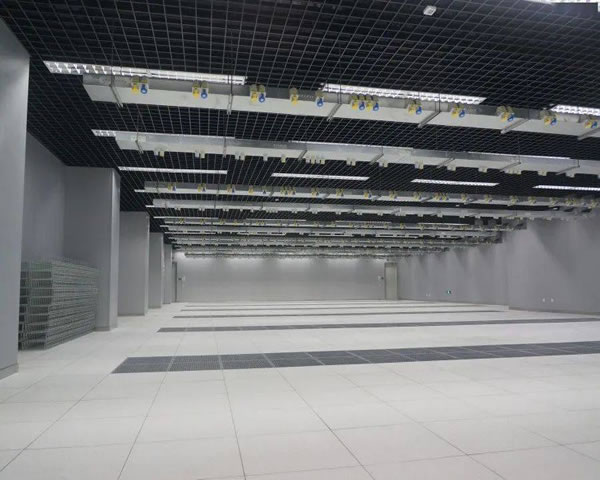
The U.s. 1t High-defense Server Provides Strong Protection For Websites
the u.s. 1t high-defense server provides powerful protection for the website, ensuring the security and stable operation of the website and resisting various network attacks. -

Key Indicators And Evaluation Framework For Choosing High-defense Servers In The United States
this article introduces the key indicators and evaluation framework for selecting high-defense servers in the united states, including protection capabilities, bandwidth and cleaning, network nodes and latency, sla, elastic expansion and technical support, etc., to facilitate decision-making and testing and verification. -

How To Judge The Network And Power Stability Of A Us Hosting Server Room
this article systematically introduces how to judge the network and power stability of us managed server rooms, including key network indicators, power redundancy levels, actual measurement methods and monitoring suggestions, to help enterprises make reliable data center selection and geo optimization.